
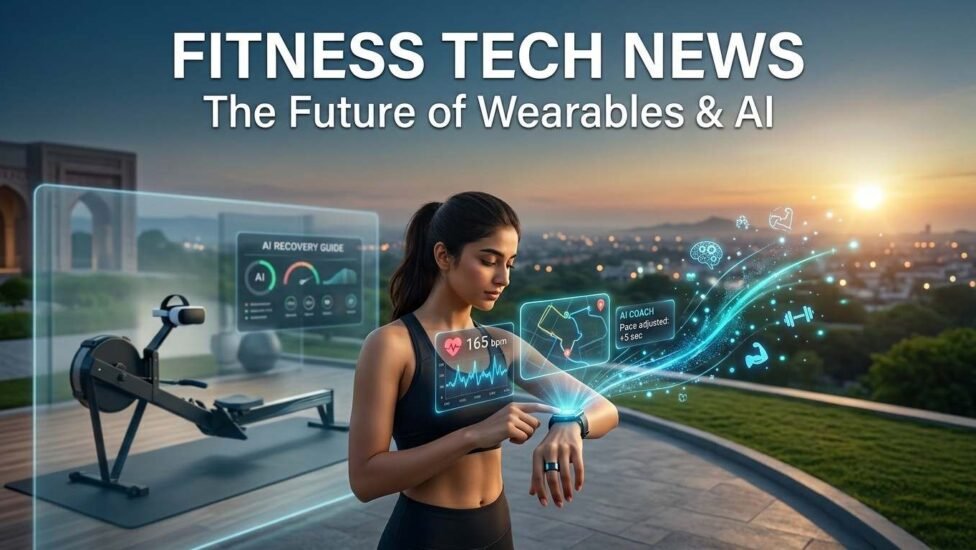
The modern fitness industry is undergoing a massive transformation, driven by high-speed innovation, algorithmic coaching, and advanced sensor mechanics. Staying ahead in this rapidly evolving space requires a clear understanding of how novel hardware and intelligent software interlock to improve human performance. Following the latest fitness tech news helps athletes and everyday enthusiasts optimize their daily conditioning routines.
1. Industry Trends & Modern Innovations
The Evolution of Modern Fitness Technology
Over the past decade, personal wellness has shifted from basic calorie counting to full-spectrum biomechanical tracking. Early mechanical counters have given way to precision micro-sensors capable of measuring continuous body metrics. Today, data collection is seamless, enabling users to monitor their physical output according to global fitness tech industry standards without interrupting their daily schedules.
Breaking Health Tech Updates & Industry Innovations
Recent breakthroughs in sensor manufacturing have made dynamic physiological monitoring far more accessible. Advanced biosensors now monitor key metabolic markers, hydration metrics, and pulse wave velocities. These continuous data streams deliver real-time feedback, allowing individuals to adjust their exertion levels before fatigue or strain sets in.
Key Fitness Technology Trends Shaping Personal Wellness
Modern wellness strategies emphasize preventive care and long-term vitality rather than short-term physical exertion. High-density data models analyze long-term health metrics to predict potential burnout, overtraining, or recovery deficits. This data-first methodology transforms raw metrics into actionable daily routines tailored to individual biology.
How Next-Gen Tech Is Changing the Fitness Industry
Software integration has fundamentally re-engineered how individuals approach training routines. Cloud-based analytics platforms evaluate historic activity patterns against current physiological states, generating adaptive conditioning programs that adjust automatically as physical strength and endurance expand.
2. Wearables & Smart Tracking Devices
The Rise of Wearable Tech in Daily Workouts
On-body micro-electronics have evolved from simple accessory status into vital wellness components. Lightweight sensors now monitor core temperature, ambient movement, and micro-variations in cardiac output, providing a comprehensive view of overall strain throughout the day.
Latest Wearable Technology for Fitness & Health Tracking
Modern wearable architecture relies on photoplethysmography (PPG) and multi-axis accelerometers. These components accurately assess movement fidelity, resting energy expenditure, and sleep phase distribution, ensuring that users receive a fully contextualized snapshot of their daily physical state.
Smartwatch Tech News: Features, Updates, & Performance
Recent software revisions for wrist-worn units feature refined signal processing algorithms that filter out movement motion artifacts. Reading dedicated fitness tech news platforms keeps users updated on accuracy improvements during high-intensity tactical workouts or dynamic athletic drills.
Next-Gen Fitness Tracker Updates & Biomarker Sensors
The newest generation of dedicated activity bands incorporates galvanic skin response sensors to measure stress levels alongside physical output. By pairing nervous system responses with heart rate variance, these monitors provide a complete picture of total daily stress loads.
Apple Watch Fitness News: Software Updates & Ecosystem Integration
Operating system refinements across leading wrist computers continue to prioritize seamless ecosystem synchronization. Enhanced motion algorithms now capture granular metric variations during swimming, running, or functional resistance sessions, delivering targeted performance zone readouts.
Garmin Smartwatch Updates: Multi-Sport & GPS Navigation Tools
Performance-focused navigation units have expanded their multi-band satellite connectivity, enabling precise distance and elevation tracking even in challenging environmental terrain. These multi-sport tools provide endurance athletes with exact pacing indicators and real-time stamina metrics.
WHOOP Strap News: Strain, Recovery, & Sleep Coaching
Screenless recovery bands remain focused on deep physiological analysis, utilizing specialized algorithms to balance cardiovascular strain against sleep quality. By continuously recording resting heart rate and heart rate variability, these units provide precise recovery recommendations every morning.
Oura Ring Updates: Sleep Insights & Continuous Temperature Tracking
Compact finger-based form factors demonstrate how non-intrusive miniaturization can capture continuous biometrics. Advanced thermistors detect micro-changes in baseline skin temperature, offering early indications of physical fatigue, hormonal shifts, or upcoming immune stress.
3. Connected Home Gyms & Hardware
Transforming Home Workouts with Smart Equipment
Home workout setups have advanced significantly beyond traditional free weights. Modern training environments utilize motorized resistance modules that automatically alter load weight based on a user’s real-time velocity, maximizing muscle stimulation while minimizing injury risk.
Smart Gym Equipment News: Interactive Strength & Cardio Gear
Interactive resistance machines and high-definition cardiovascular platforms utilize direct digital resistance to simulate variable physical conditions. These dynamic tension profiles match a user’s natural strength curve, delivering a smooth and highly effective strength-building experience.
Connected Fitness Technology for Personalized Training At Home
Interconnected home fitness systems bridge the gap between personal coaching and independent workout sessions. Embedded telemetry systems stream live performance data directly to cloud engines, adjusting structural difficulty levels based on historical progress and instant power output.
The Future of Smart Home Gym Tech & Compact Fitness Solutions
Space-saving modular designs allow powerful training hardware to fit comfortably into compact residential spaces. Foldable structural frames and wall-mounted digital resistance systems offer comprehensive full-body conditioning without requiring dedicated commercial spaces.
4. AI, Digital Health, & Virtual Fitness
Artificial Intelligence and Digital Health Ecosystems
Artificial intelligence serves as the backbone for modern athletic programming. According to recent health and wellness technology news , large-scale data processing engines review millions of training data points to generate customized workout routines that minimize fatigue while maximizing athletic progression.
AI in Fitness Industry News: Automated Coaching & Smart Analytics
Automated movement evaluation engines now process live video feeds to provide real-time biomechanical feedback. By identifying improper joint angles or rapid movement compensation, these intelligent coaching models help maintain proper form and reduce injury risks.
Personalized Experience with AI Fitness Apps & Real-Time Feedback
Mobile application frameworks leverage machine learning models to adjust target performance metrics based on daily lifestyle factors, such as sleep quality, nutritional balance, and environmental stress. This ensures workouts remain challenging yet sustainable over time.
The Integration of Digital Health and Fitness Ecosystems
The boundary between athletic performance tools and clinical health monitoring continues to blur. Secure cloud synchronization allows fitness metrics to integrate with broader digital health platforms, giving medical professionals better visibility into daily physical activity.
Virtual Workout Tech: Immersive AR & VR Exercise Environments
Augmented and virtual reality interfaces have turned solo training sessions into highly engaging interactive environments. Immersive environments provide visually stimulating landscapes and real-time performance targets, helping maintain motivation during intense endurance training.
Sports Tech Updates: Performance Enhancement for Athletes
High-performance athletic teams increasingly rely on integrated sensor networks to optimize field performance. Micro-trackers embedded in athletic apparel monitor player load distribution, acceleration bursts, and muscular fatigue to reduce overuse injuries during competitive seasons.
Upcoming Fitness Devices & Wearables to Watch Out For
Future developments point toward non-invasive continuous glucose monitoring, flexible epidermal sensors, and smart textiles woven directly into activewear. These upcoming form factors will make health monitoring invisible, continuous, and integrated into everyday life.
| Term Category | Elements Covered |
|---|---|
| Core Concepts | Fitness, Health, Technology, Industry, Future |
| Hardware & Devices | Wearable, Smart, Gadgets, Equipment, Devices, Wearables |
| Brands & Ecosystems | Apple, Watch, Garmin, WHOOP, Strap, Oura, Ring |
| Monitoring Tech | Smartwatch, Tracker, AI, Apps, Connected, Digital, Virtual |
| Environments & Activities | Gym, Home, Workout, Sports, Updates, News, Trends, Latest, New, Upcoming, How, Changing, Best |